
For parents
For your child's growing feet, the 4 to 12 window matters
Your child's foot arch is still developing. The right support between ages 4 and 12 builds a strong foundation for walking.
Free home check · 3 minutes
Parent Foot-Health Checklist
孩子足部健康自测表
A 3-minute home check for your child's foot development. Tick ✓ for any statement that matches your child's usual standing, walking, or activity patterns. The score updates as you tick — no manual counting.
在家 3 分钟,初步了解孩子的足部发展。请根据孩子日常站立、走路和活动表现,在符合的项目打 ✓。勾选时自动计分,无需手动统计。
Physical Signs身体表现
Shoe Wear Patterns鞋子观察
Foot Appearance足部外观
Your result 评估结果
Tick the boxes above to see your result. · 请在上方勾选符合的项目以查看结果
0–2 ✓ Within normal range目前足部发展大致正常
Continue monitoring as they grow.
建议持续观察
3–5 ✓ Monitor more closely建议多加留意
Watch for changes over the coming months.
定期观察变化
6+ ✓ Assessment recommended建议尽早安排足部检测
A 20–30 minute professional assessment is worth booking.
进一步了解孩子的足部发展
Download bilingual PDF (2 pages)
Book an assessment
Reminder: your child's feet are the foundation of their growth and movement. The earlier issues are spotted, the easier they are to address.
孩子的双脚,是支撑成长的重要基础。越早发现问题,越容易及时调整。
Real families
Kids and parents who've walked with us
A small selection of families who have completed a foot assessment at KakiJoy. Photos shared with parental consent.





Why 4 to 12 matters
Between 4 and 12, feet are still forming
A child's foot arches, bones, and walking pattern are still actively developing between ages 4 and 12. Muscles learn habits. Bone alignment settles. The way your child walks at 10 becomes the way they walk at 30.
Catching a misalignment early, while the foot is still flexible, gives the best chance of a lasting improvement. Waiting until adulthood is harder. The bones have settled. The walking habit is set.
This is why paediatric orthotic care is different from adult care. And it is why we built KakiJoy around kids.
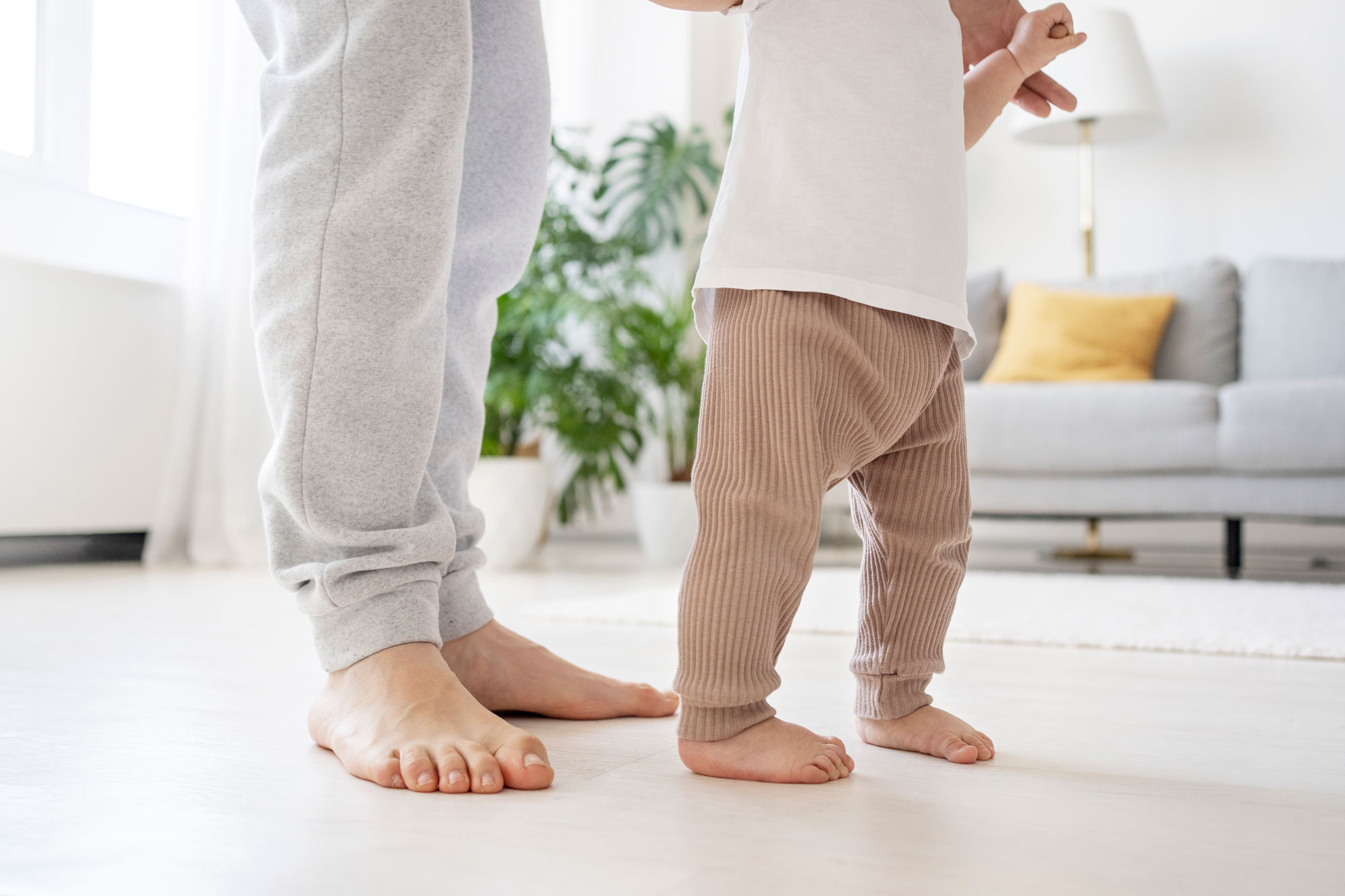
The feet a child is born with are not the feet they end up with. What happens between 4 and 12 shapes how they walk for years.
5 signs to watch for
When your child may need a foot check
Spotting one or more of these? A quick assessment can tell you whether it is something to act on.
-
Foot or leg pain
Your child complains about aching feet or legs, especially after walking or running.
-
Tires quickly on walks
Struggles with shopping malls, family outings, or any walk longer than 15 minutes.
-
Falls or trips often
More than other kids, even on flat surfaces. Might catch their toes when walking.
-
Teacher or coach flagged it
Pigeon-toed, knee-knocking, uneven stride, or an unusual running posture.
-
Their walk looks "off"
You have noticed something different about how they walk, even if you cannot name it.
Kid-relevant conditions
Conditions we see most often in children
Framed for parents. Click any card for the detail and how we support it.
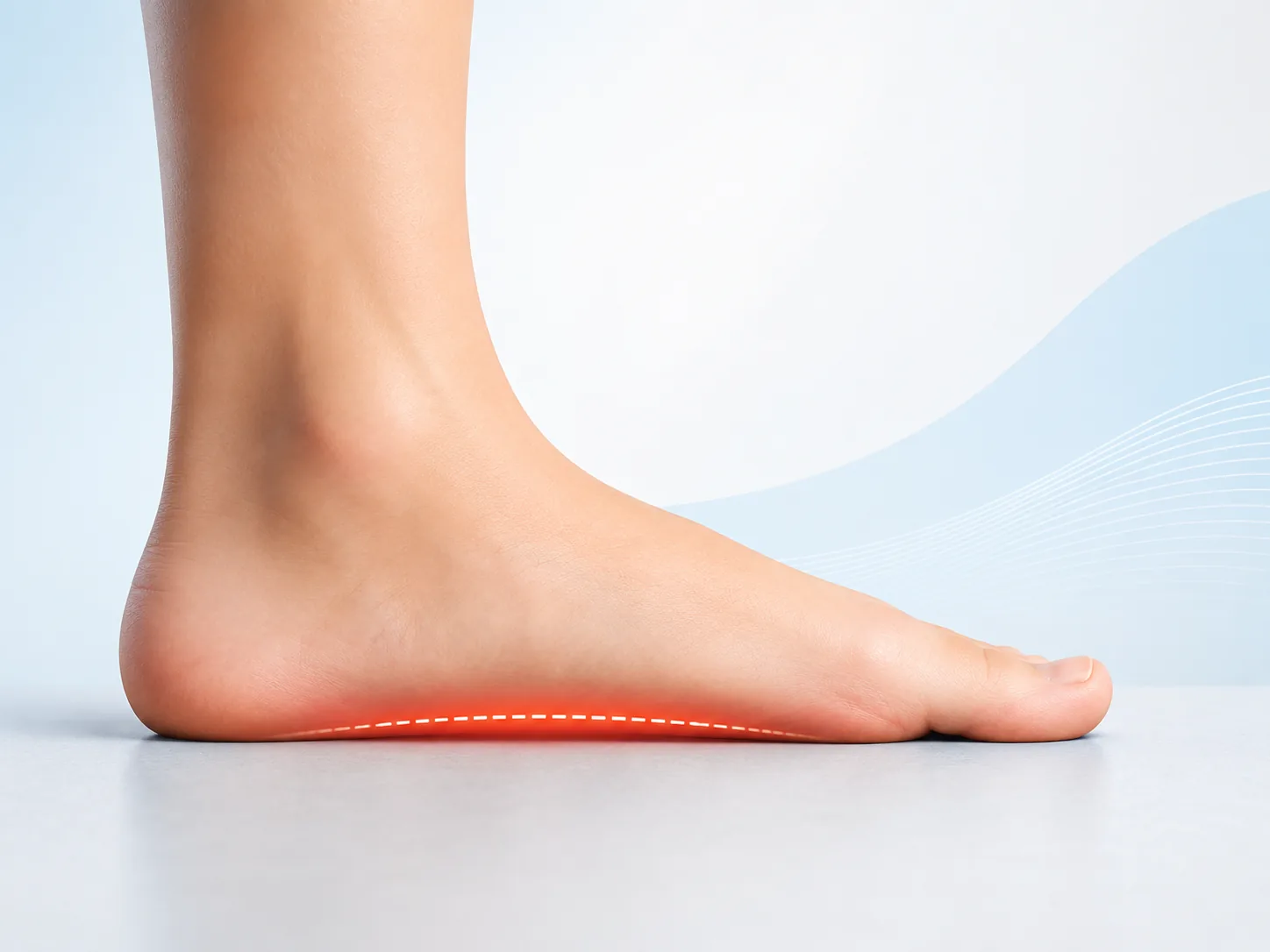
Flat Foot
The most common condition we see in children. Usually responds well when supported during the 4 to 12 window.
Read more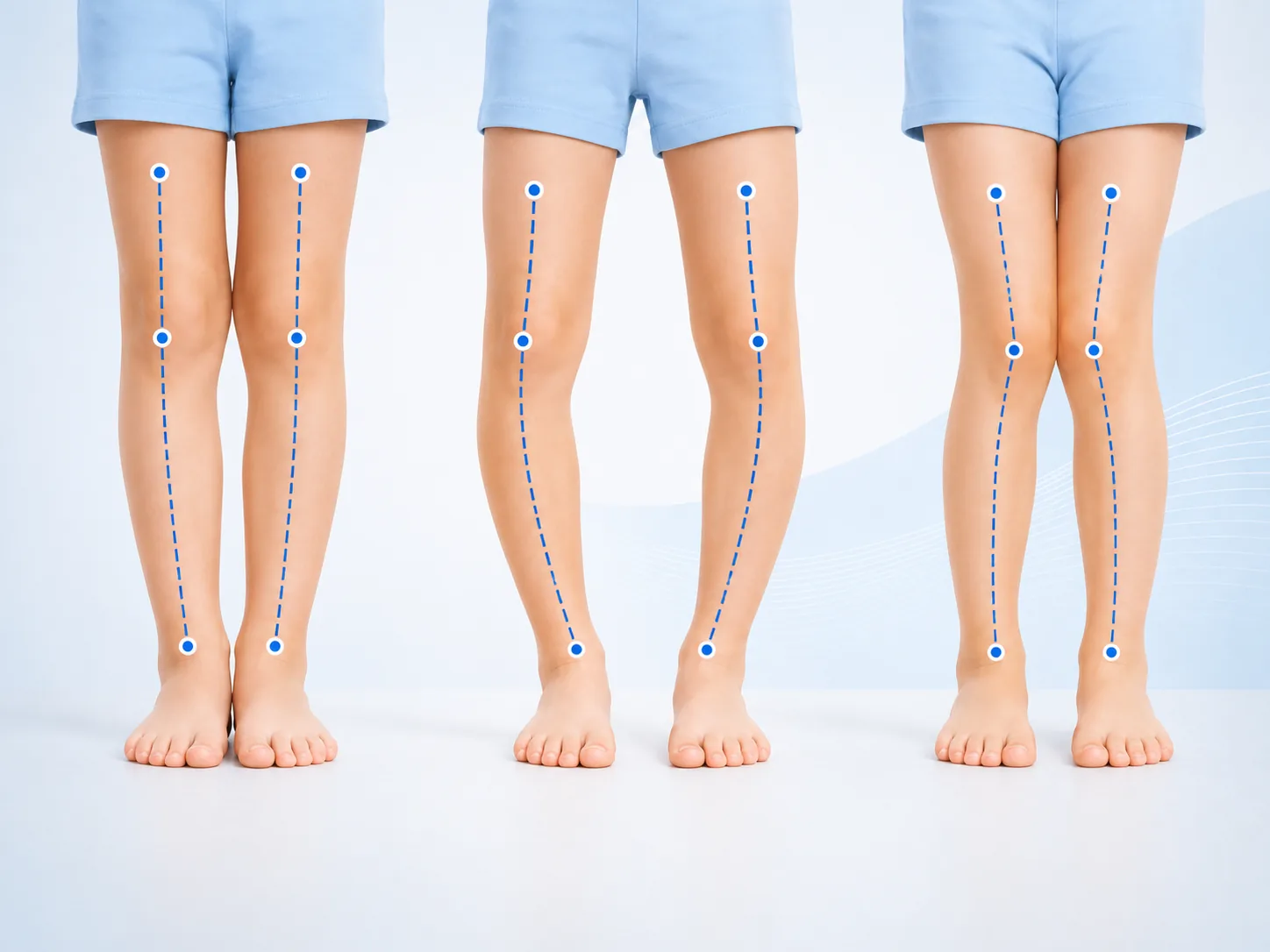
Children Feet Issues
In-toeing, out-toeing, growing pains, frequent tripping. The common kid-specific concerns parents bring us.
Read more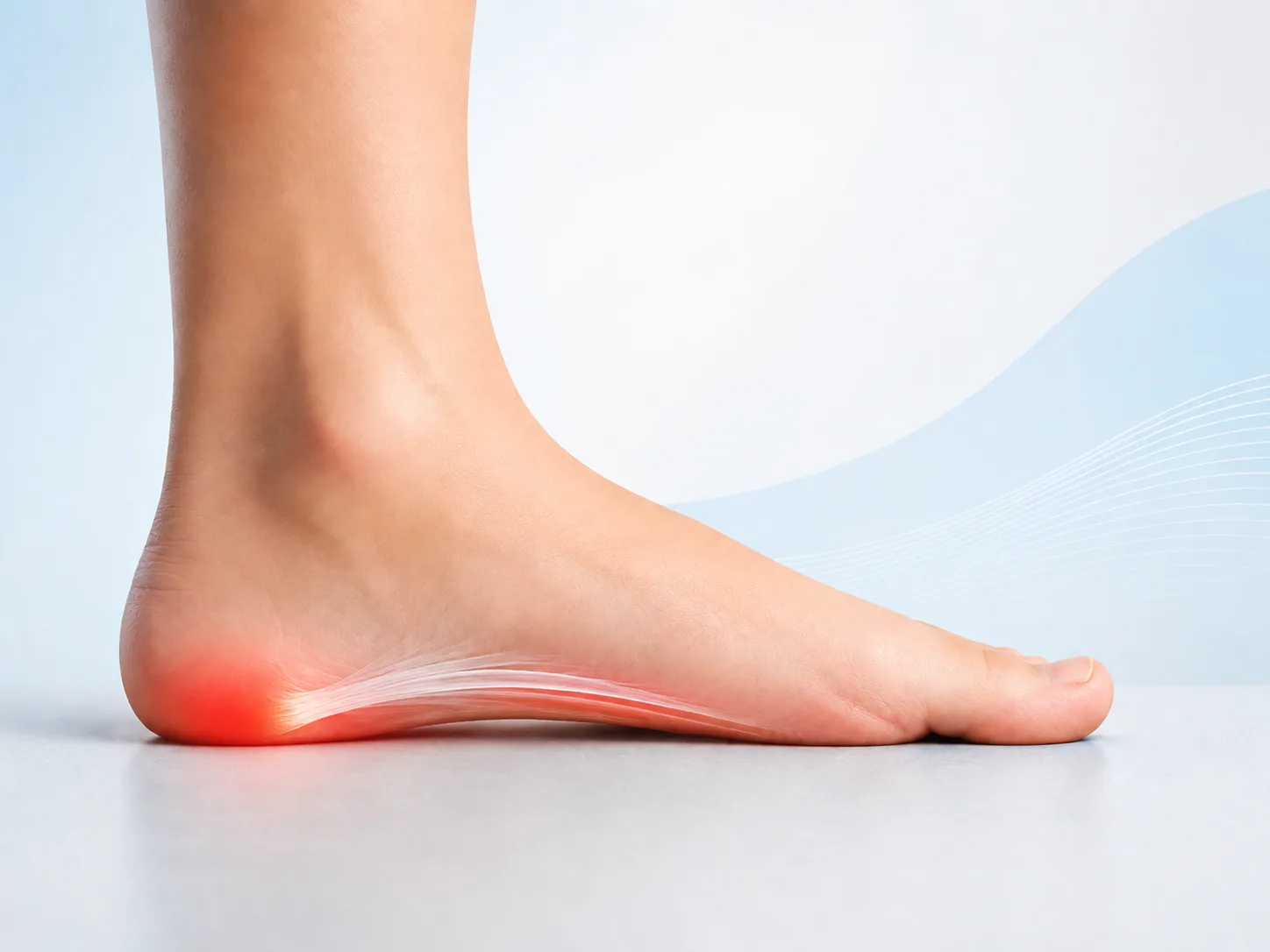
Heel Pain (Sever's)
Active children can develop heel pain from running, jumping, or growth spurts. Sever's disease is common.
Read more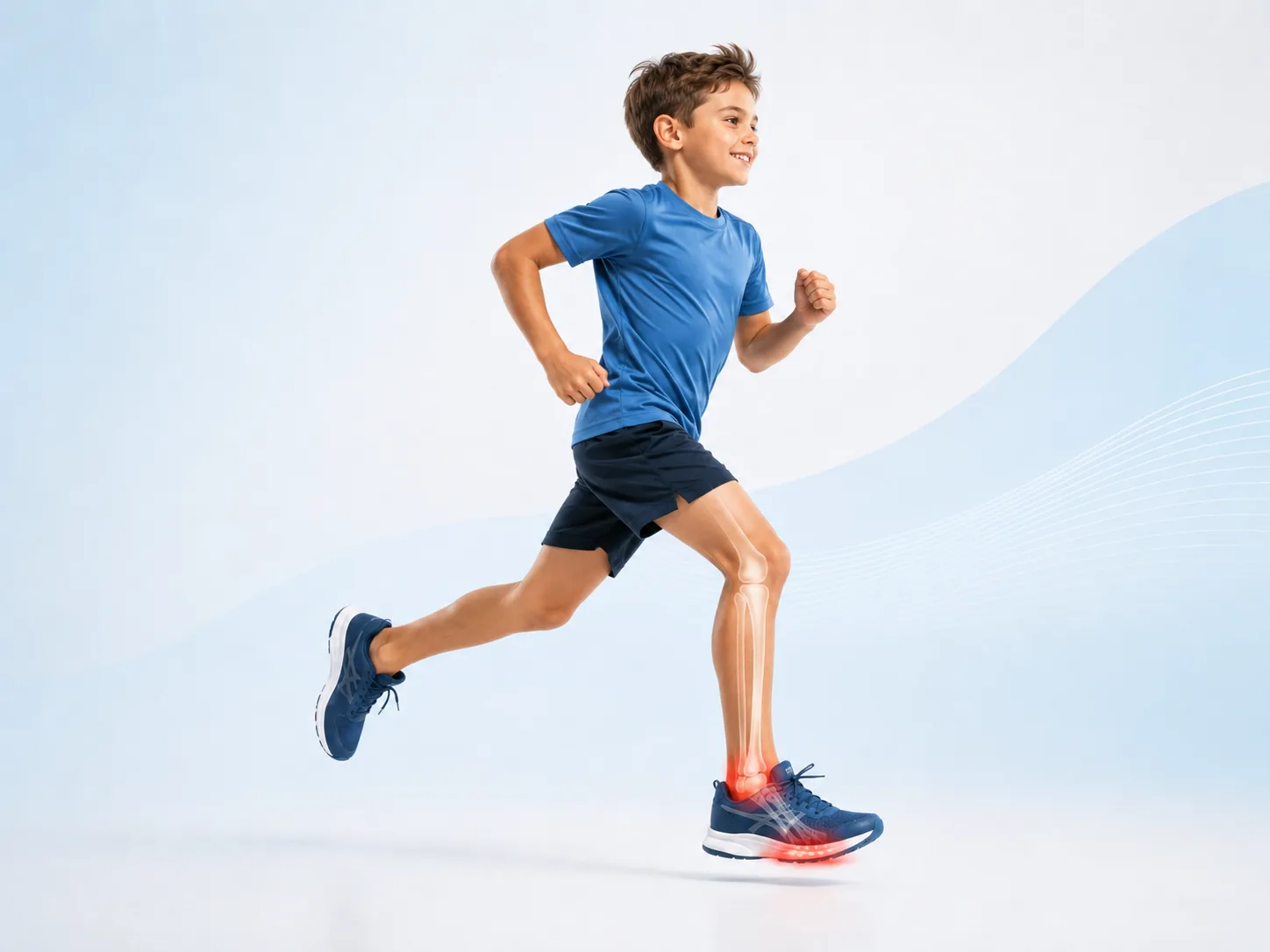
Sports & Performance
Custom support for active kids. Football, badminton, dance, gymnastics — reduce strain, improve push-off.
Read more How it works for kids
What happens during a children's foot assessment
A relaxed 20 to 30 minute session. Kid-friendly, parent-reassuring.
-
Parent stays the whole time
You are with your child through the full session. We explain everything as we go.
-
No needles, no discomfort
Just stepping onto a pad for the 3D scan. Fast and painless.
-
Natural walking, no pressure
We watch your child walk the way they normally do. No performance, no stress.
-
Posture coaching for both
We teach your child correct walking posture, and teach you so you can remind them at home.
In the community
Bringing foot health to Malaysian kindergartens
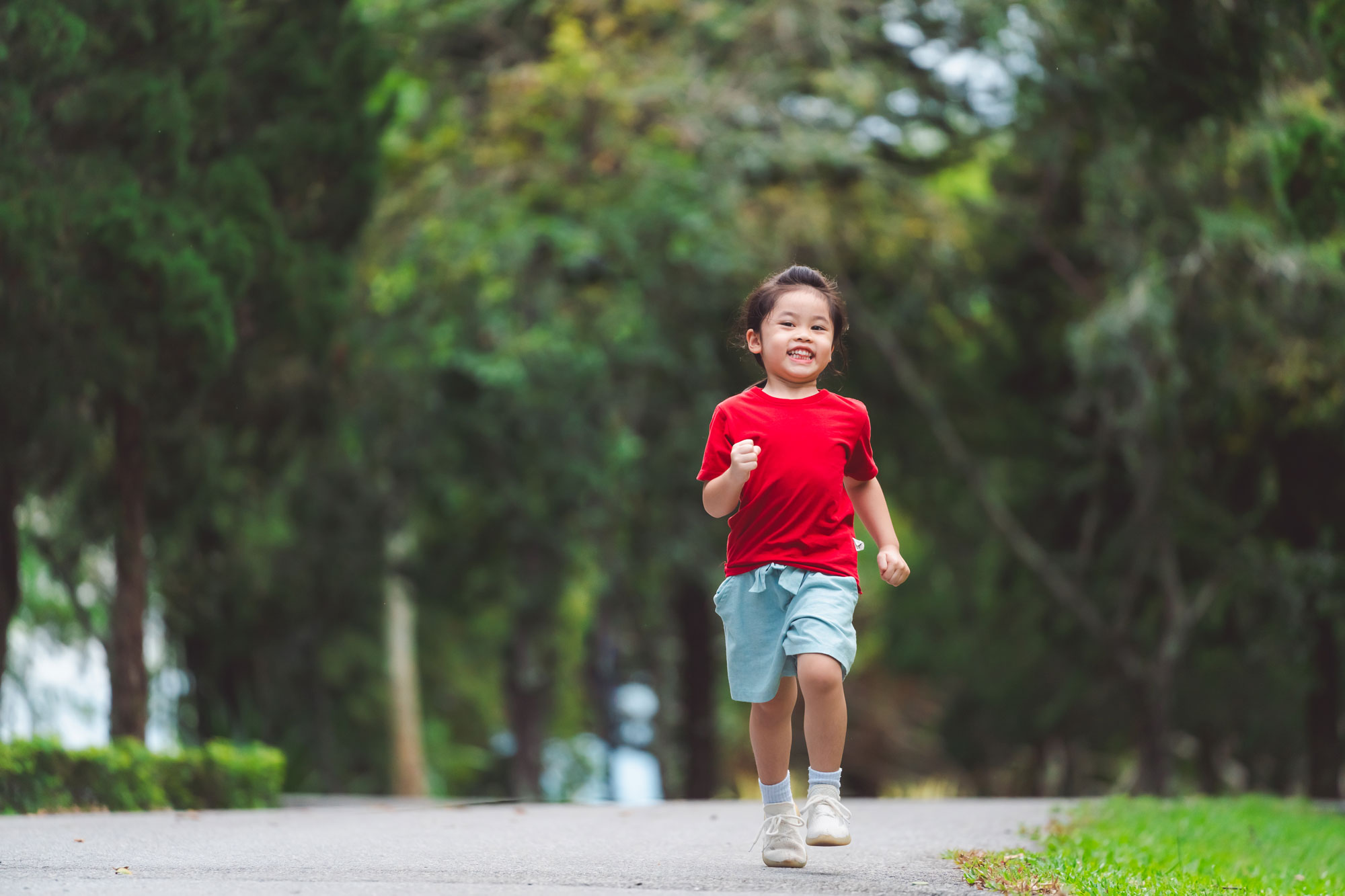
We visit kindergartens across the Klang Valley to run educational sessions on walking posture, healthy foot development, and when parents should act. Teachers and children both learn what to look out for.
What our kindergarten talks usually cover
- How children's feet develop between 3 and 12
- What a "normal" walking posture looks like at different ages
- Simple things parents and teachers can do to help
- When to seek a proper foot assessment
Interested in having KakiJoy visit your kindergarten or school?
See our Corporate & School Sharing page Parent questions
What parents ask us most
Quick answers before you book.
At what age can my child have their feet checked?
From around age 3 onwards. The 4 to 12 window is when foot support makes the biggest difference, but we also assess younger children if parents have specific concerns.
Does my child need to wear the insoles all day?
Not strictly. Daily wear gives the best results, so we recommend wearing them during school, at home, and any structured walking time. During free barefoot play at home is fine.
Will my child grow out of flat feet on their own?
Sometimes, yes, especially for mild cases. For persistent cases, or where your child already feels pain or tires quickly, support during the 4 to 12 window usually makes a clear difference. The assessment tells us which group your child is in.
How often do custom insoles need replacing for a growing child?
Every 6 months on average. Our custom insole package includes scheduled replacements built in, so the insoles keep fitting as feet grow.
Are custom insoles safe for very young children?
Yes, when fitted properly. We typically assess from age 3 onwards. For younger children, we usually recommend observation and walking posture coaching first, only moving to custom insoles if clearly needed.
Can my child play sports with KakiJoy insoles?
Yes. Many active children wear them for running, football, dance, and general training. The insoles are designed to support movement, not limit it.
Explore more
Go deeper
-
Conditions we help with
Deeper details on flat feet, in-toeing, heel pain, and more.
Browse conditions -
Real kid stories
Case studies from Malaysian families who came to us with specific concerns.
Read case studies -
Book a foot assessment
See what happens during a 20 to 30 minute session, in-store at Kepong or Johor Bahru.
Services and pricing
Ready when you are
Book your child's foot assessment today
A quick WhatsApp message. We will find a time that works for your family.