
The feet, heels, and knees we help with
Four common conditions cover most of what we see. Each page walks through signs in kids and adults, what actually causes it, and when a custom insole helps. When it does not help, we say so.
Foot alignment is the start of the story, not the end
Most foot and lower-leg pain has a mechanical cause. How the arch sits, how the leg rotates, how the foot strikes the ground. Small misalignments, multiplied by thousands of steps a day, become real pain over time.
Knee pain and heel pain often trace back to what is happening at the foot. Hip or lower-back strain is less direct but sometimes linked. The right support, placed in the right spot, can change how your whole leg feels.
- Foot Where it starts
- Ankle The first hinge
- Knee Most often affected
- Hip Sometimes linked
Start with the one that sounds like you
Eight situation-led categories. Each page covers kid signs, adult signs, causes, and honest answers on when support helps. Tap any card to go deeper.
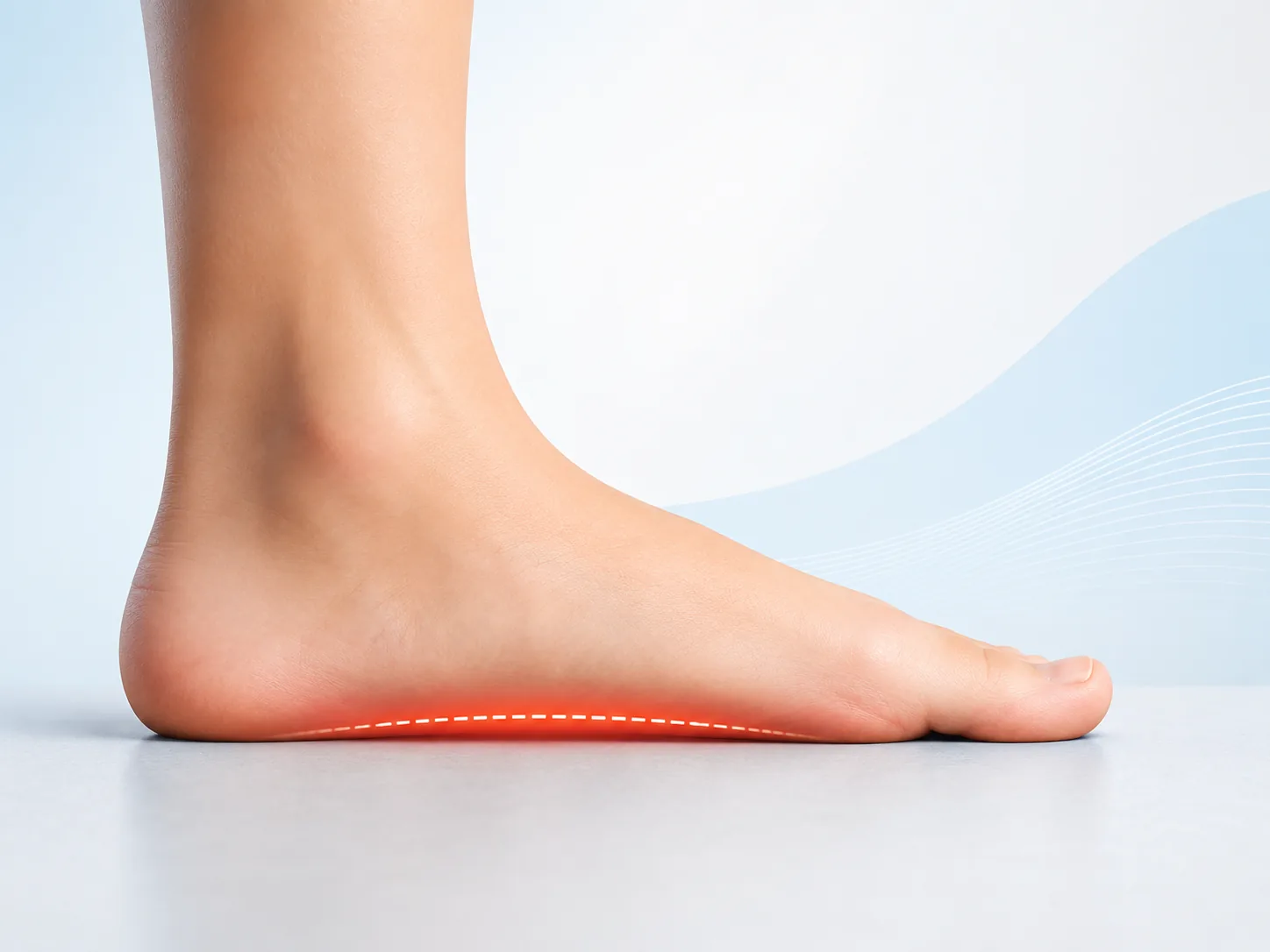
Flat Foot
A fallen or low arch that causes foot pain and posture problems. Common in growing kids, and a frequent cause of adult discomfort.
Read the category page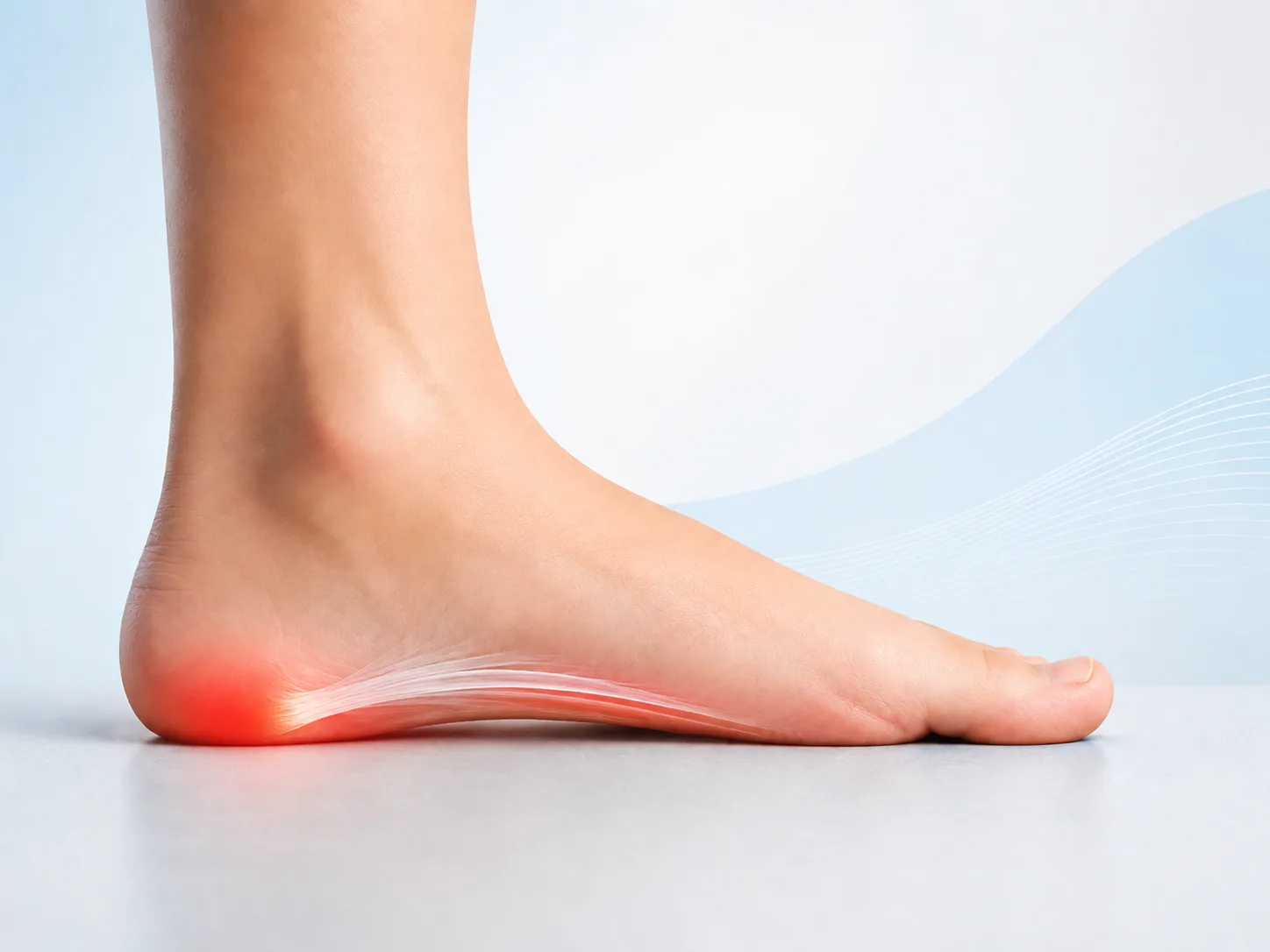
Plantar Fasciitis / Heel Pain
Sharp heel pain with the first steps out of bed. Active kids and adults both feel it — for different reasons.
Read the category page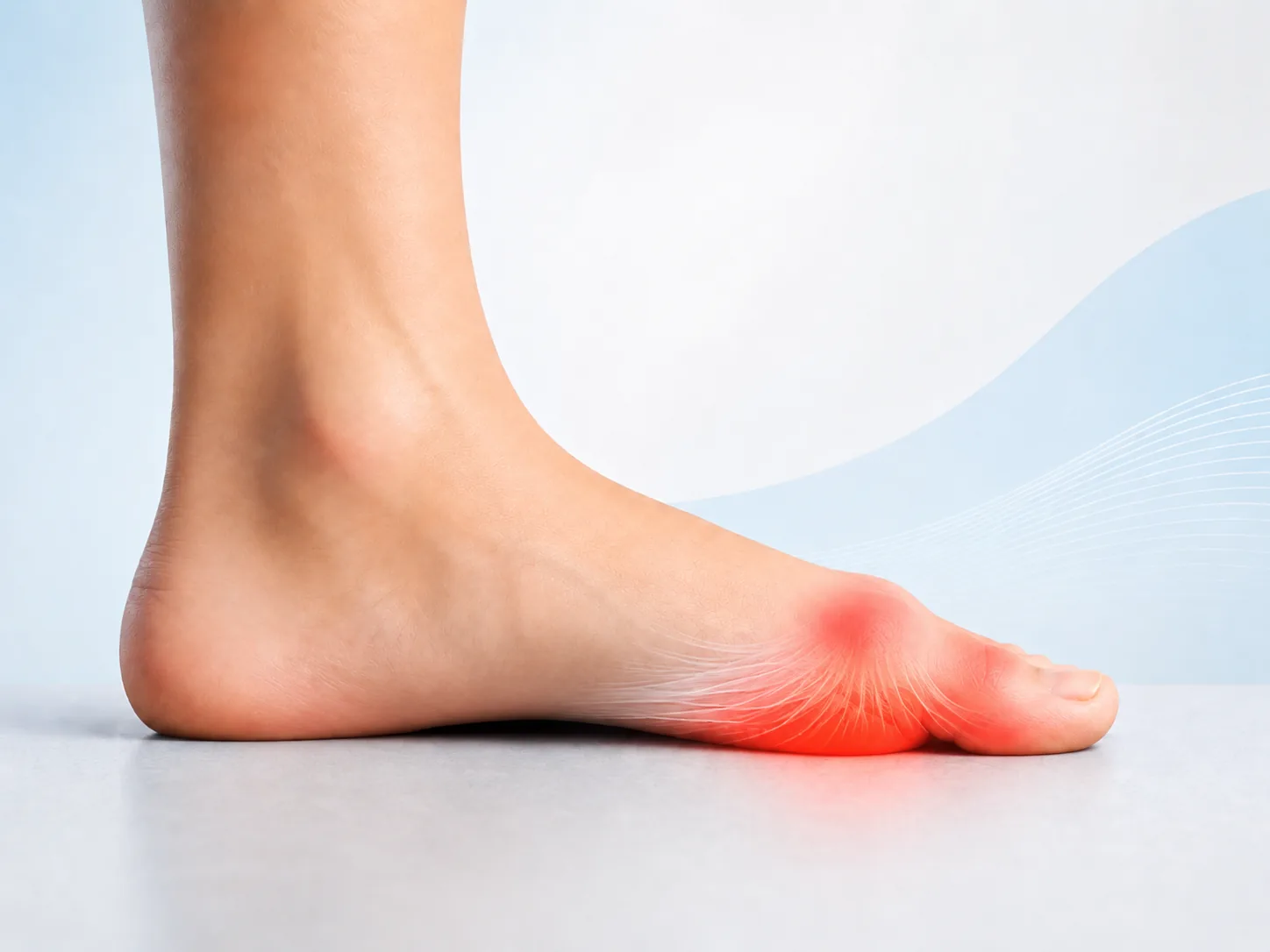
Forefoot Issues
Bunions, hammer toes, ball-of-foot pain. Hereditary or shoe-driven — support relieves pressure and slows progression.
Read the category page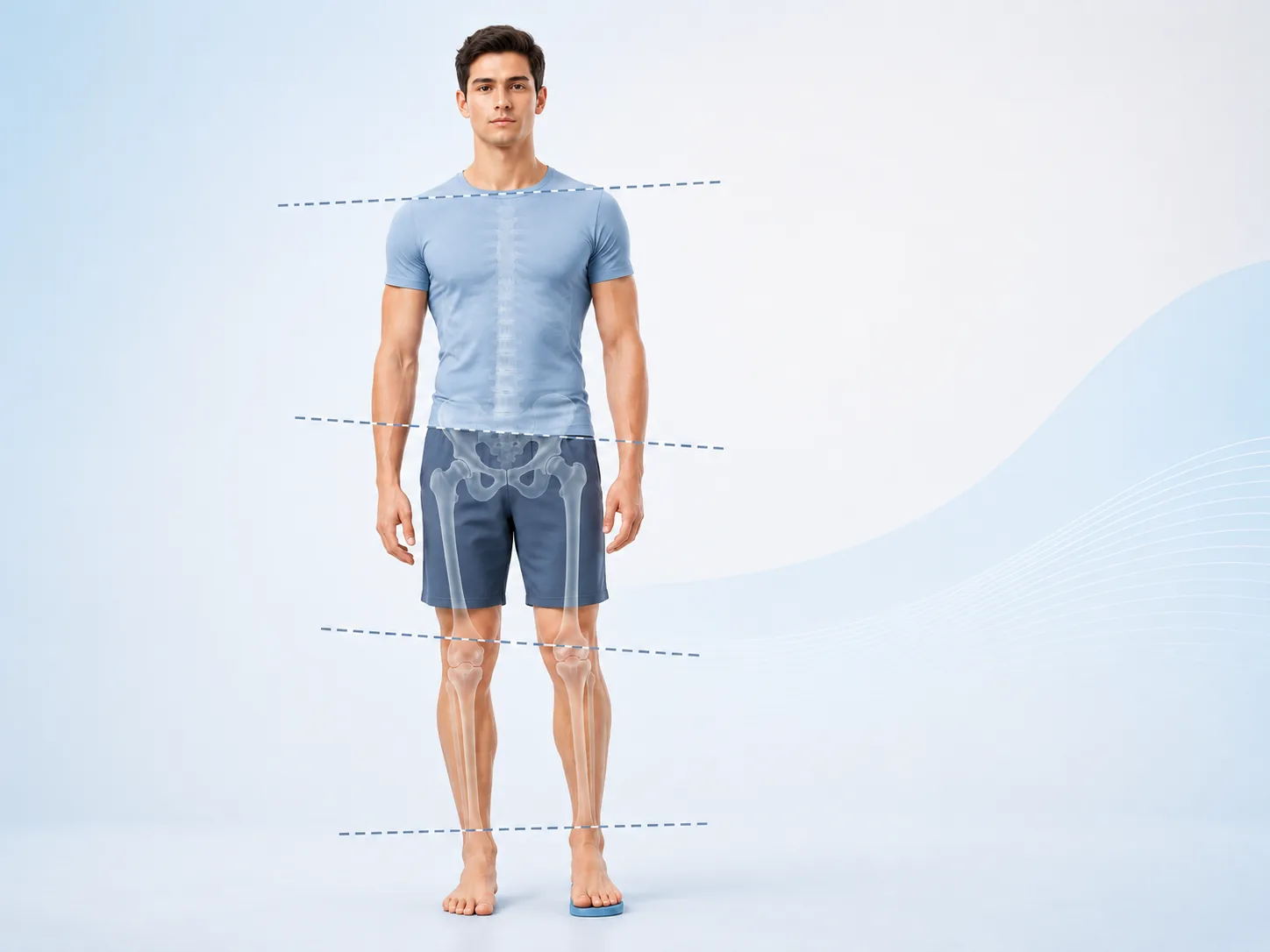
Leg Length Discrepancy
A leg-length gap above 2 cm can shift posture and stress the knee, hip, or back. Smaller differences usually cause no symptoms.
Read the category page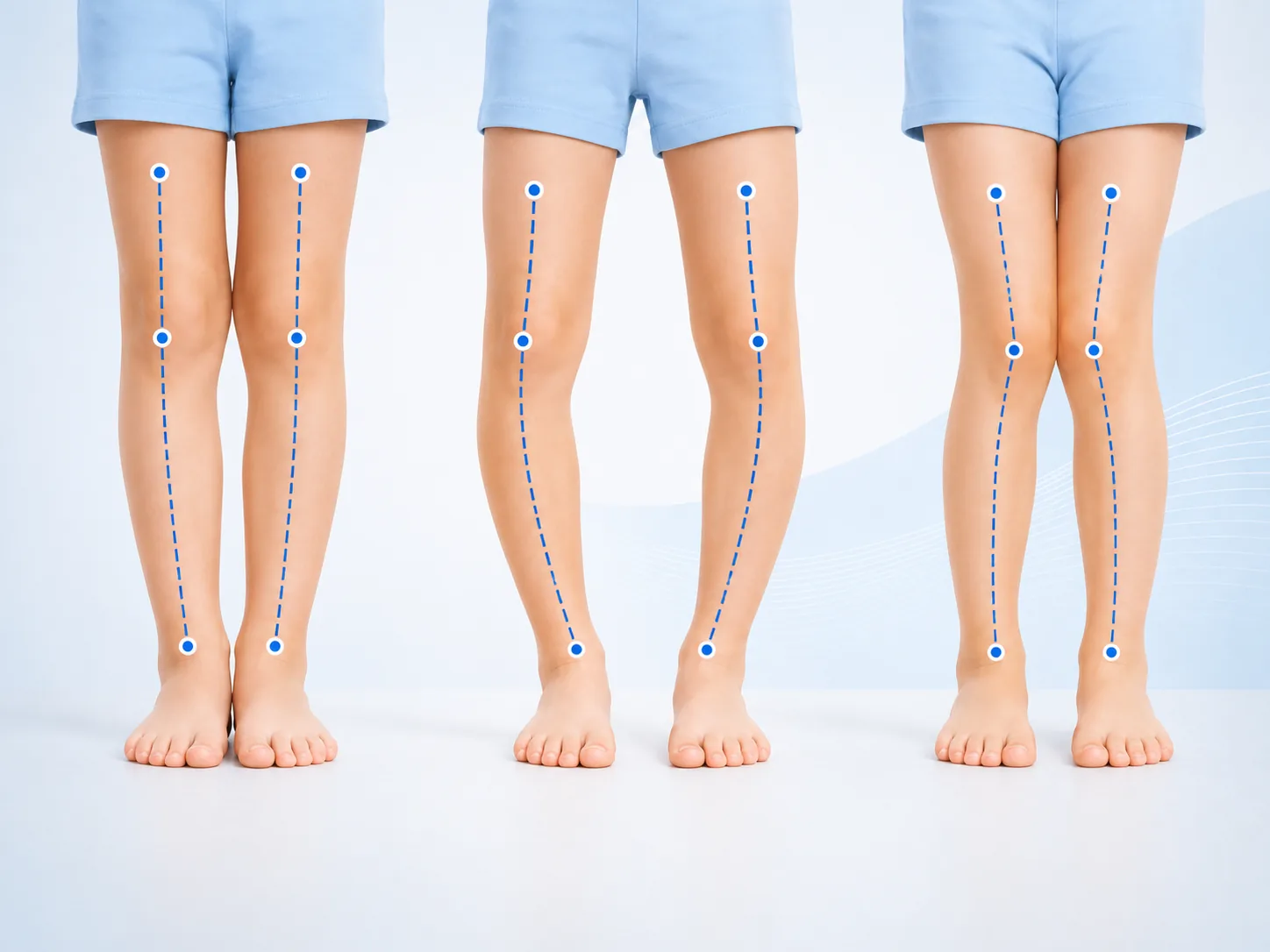
Children Feet Issues
In-toeing, out-toeing, growing pains, frequent tripping. Ages 4–12 is when small adjustments make the biggest difference.
Read the category page
Sports & Performance
Custom support for active kids and adults. Reduce overuse injuries and improve power transfer through the gait cycle.
Read the category page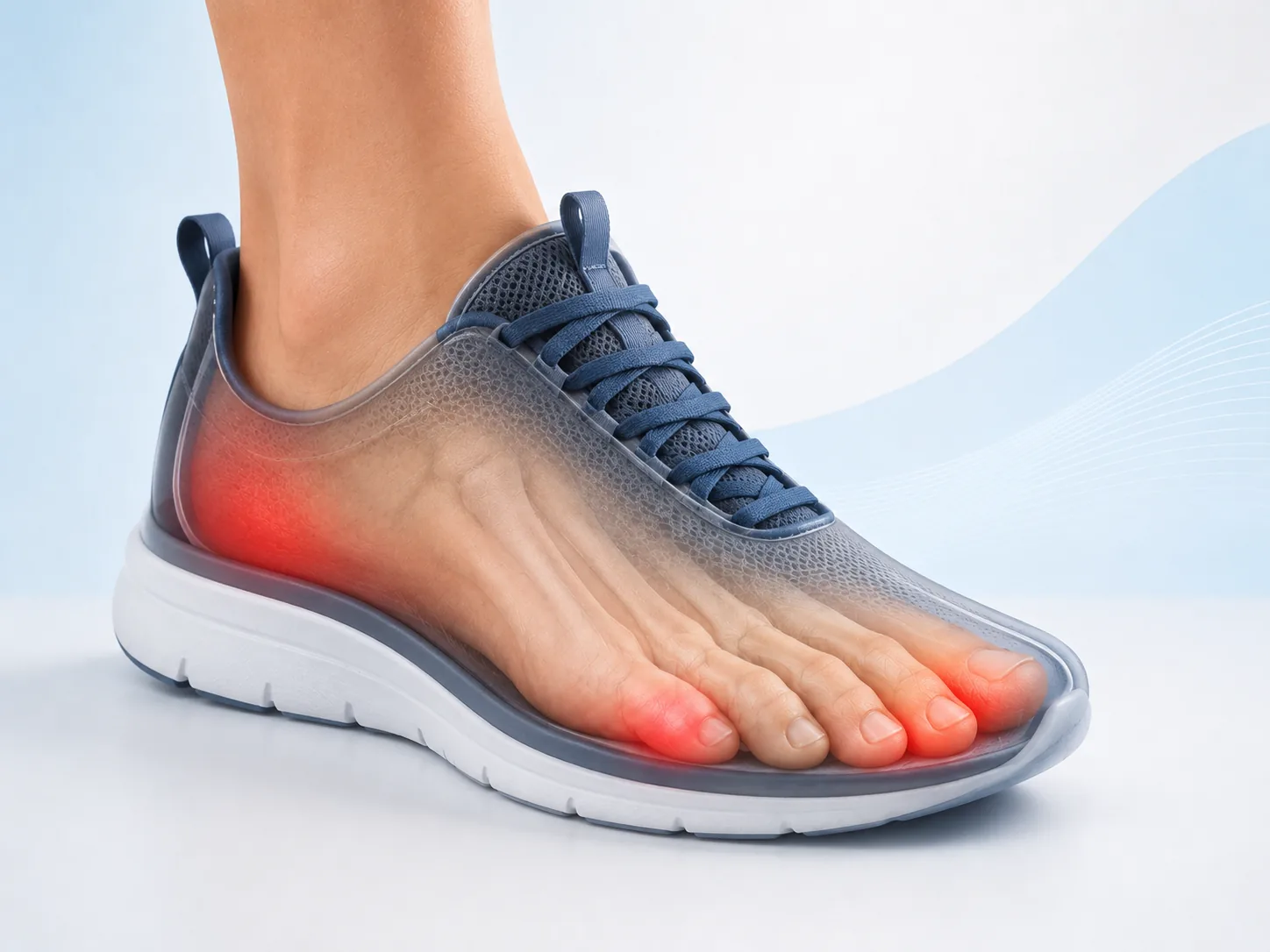
ill-Fitting Shoes
New shoes that already hurt. Uneven heel wear. A custom insole fits between the shoe and your foot, not the other way around.
Read the category page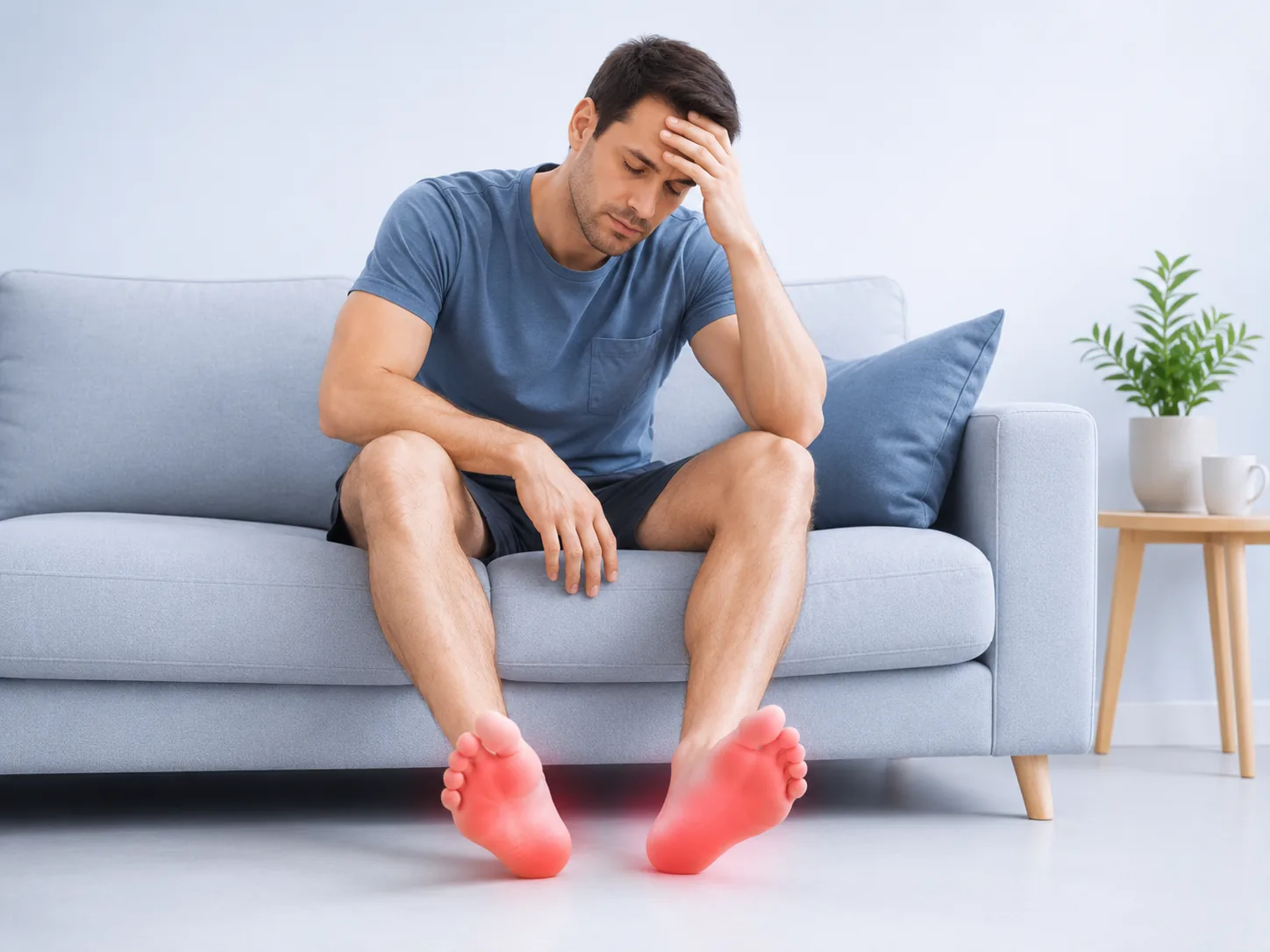
General Fatigue
Tired legs by mid-day. Aching feet after long shifts. Often a sign that posture is fighting against poor support.
Read the category pageLong-form condition deep dives
Four detailed long-form pages from our earlier content — kid + adult tabs, timelines, body-chain views, real case studies. Good if you want the full picture on a specific condition.
In-toeing & Out-toeing — deep dive
Pigeon-toed and duck walking. When it resolves naturally vs when support helps. Detailed kid + adult version.
Read the deep dive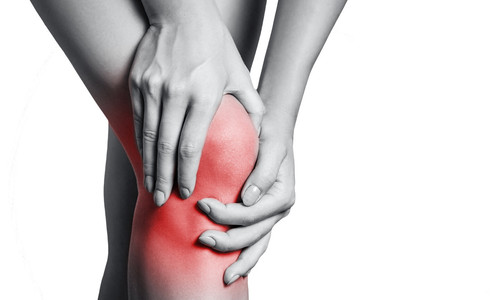
Knee Pain — deep dive
Knee discomfort connected to foot alignment. Patellofemoral pain, Osgood-Schlatter, and how insoles change knee tracking.
Read the deep diveQuestions before you pick a condition page
General questions about how we assess and what we treat. Condition-specific questions live on each individual page.
What conditions do you actually treat with insoles?
We focus on conditions where foot alignment, arch support, or gait has a direct role. The four main ones are on this page. We also see related cases like Achilles tendinitis, bunions, and heel spurs. If we assess you and your issue is outside what an insole can help, we will say so and point you to the right specialist.
Do I need a doctor's referral to come to KakiJoy?
No. You can book a foot assessment directly. Many of our clients come on a friend's recommendation or after spotting signs themselves. If your condition needs medical attention beyond a foot-level fix, we will refer you on after the assessment.
How do I know which condition my child or I might have?
The individual condition pages list the usual signs in plain language. Many signs overlap between conditions, which is why an in-person assessment matters. A foot scan, a walking observation, and a 20 to 30 minute conversation usually gives you a clear answer.
Will custom insoles help every foot problem?
No, and we will tell you when they will not. For severe structural issues, acute injuries, rigid deformities, or some neurological conditions, an orthopedic specialist is the right starting point. Our job is to know where a custom insole genuinely helps and where it does not.
What if my condition is not listed on your site?
Still worth asking. The four pages cover the most common cases, but we regularly see bunions, heel spurs, hammer toes, Achilles issues, post-injury gait changes, and more. A short WhatsApp message with your situation is usually enough for us to say whether a assessment would be useful.
When should I see an orthopedic specialist instead?
Red flags include: sudden severe pain with no clear cause, a joint that locks or gives way, visible deformity or swelling that does not settle, inability to bear weight, or symptoms getting steadily worse over weeks. In those cases, a medical doctor should be the first stop, not us.
Keep looking around
-
Our services + pricing
What a foot assessment looks like, the 20 to 30 minute session, and how custom insoles are made.
See services -
Our kids programme
How we structure foot care for children 4 to 12 during the critical development window.
Kids overview -
Contact us
Not sure where your situation fits? WhatsApp us a short description and we will guide you.
Get in touch
Book a foot assessment and we will tell you
A short WhatsApp message is enough. We will walk you through the options.